
Home / Types of Septic Systems / Gravity System
Gravity System in Portland
Speedy Septic explains gravity system septic installation, including how gravity systems work, slope requirements, and whether your property is a good fit.
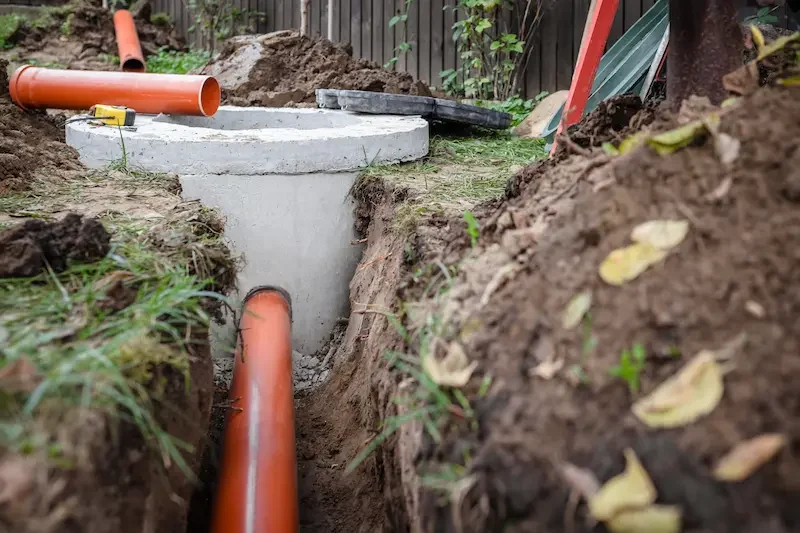
What is a Gravity System?
A gravity system, also called a gravity fed system, is a conventional type of septic system. As its name implies, it uses gravity to send effluent out and into the soil instead of a pump. Gravity systems consist of three main components:
The septic tank
Drainfield
The soil beneath the drainfield
Advantages of a Gravity Septic System
Gravity fed septic systems are affordable.
Since they rely on gravity and not technology, they are easy to service.
Disadvantages of a Gravity Septic System
If you’re interested in a gravity system for your property, Speedy Septic can help! Our highly-skilled technicians will inspect your property and determine if it is sufficient for a gravity system then install it for you. We are licensed, bonded, and insured, so contact Speedy Septic today!
Gravity fed septic systems require a good slope so that effluent will flow naturally without the use of a pump.
At least 3 feet of sufficient soil beneath the drainfield is required.
Earthquakes and vehicles can cause the soil in the drainfield to shift, affecting the wastewater flow.
Talk to a technician
Live people answer the phone, day and night. No surcharge for emergency calls.
Gravity System
Common questions
How Does a Gravity Fed System Work?
Water and sewage from plumbing fixtures and appliances like sinks and toilets are carried to the septic tank all by gravity and through a series of pipes. The sewage and wastewater flow into the septic tank where they settle and separate into three layers: the scum layer, the effluent layer, and the sludge layer. (These layers are important as a traditional gravity fed system is built to only extract the middle, watery effluent layer.) The effluent flows through an outlet into a distribution box or drop box where it is equally distributed to the drainfield pipes. The drainfield to be treated by the soil. The scum and sludge layers are naturally treated by the good bacteria in the septic tank and should be pumped out regularly by a septic system technician when necessary.
Related
Related services
Speak with a septic expert
Septic trouble does not wait. Neither do we.
Call any time. A live person answers 24/7, and emergency calls cost the same as daytime ones.
Request a call back