
Home / Types of Septic Systems / Pressure Distribution System
Pressure Distribution System in the Portland Area
Learn how a pressure distribution septic system works, when it is used, and the pros and cons for your property. Speedy Septic serves homeowners across Eagle Creek.
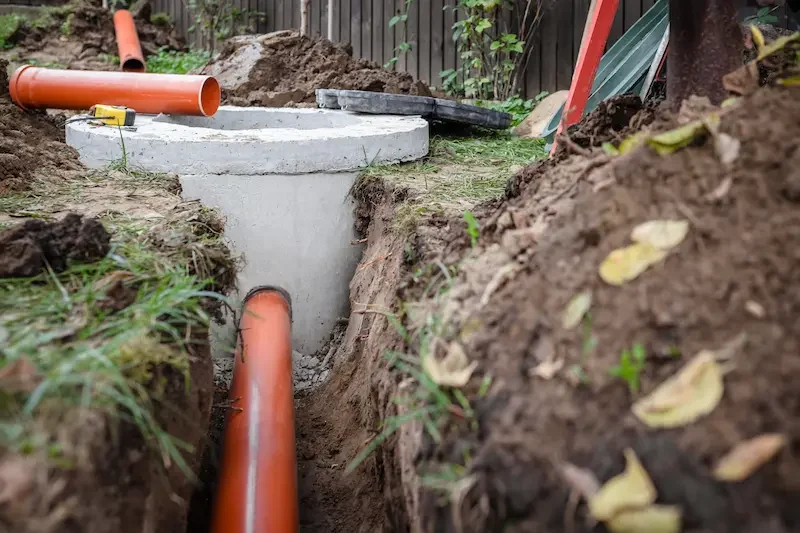
What is a Pressure Distribution System?
In many cases, traditional septic systems rely on gravity to handle sewage disposal. However, certain situations may arise where gravity-based systems are not feasible or homeowners prefer an even distribution of wastewater. This is where an innovative Pressure Distribution System installed by Speedy Septic comes into play.
Pressure Distribution System FAQs
Got questions about pressure distribution systems? You've come to the right place. Check out our Pressure Distribution System FAQs below, and if you don't find the answer you need, give us a call!
Talk to a technician
Live people answer the phone, day and night. No surcharge for emergency calls.
Is a Pressure Distribution System Right for You?
Pressure Distribution Systems are an excellent alternative to gravity-based systems. Their versatility allows them to be used in various locations since they don't rely on gravity to move wastewater. If you're considering installing a new septic system on your property, contact Speedy Septic today! Our team of expert technicians will assist you in determining the ideal septic system that suits both your needs and budget.
Talk to a technician
Not sure what you need? Describe it on the phone and we will tell you straight.
Pressure Distribution System
Common questions
What are the Parts of a Pressure Distribution System?
Before we get started, you should know what we mean when we're talking about a pressure distribution system. It's a type of septic system that uses pressure to evenly move wastewater into individual trenches. Pressure distribution systems typically consist of three main components: The septic tankThe dosing pump and pump chamberThe drainfield and replacement area
How Does a Pressure Distribution System Work?
When explaining how a pressure distribution system works, it's best to think of it in individual steps. Wastewater from the septic tank flows into the pump chamber.“On” and “Off” floats or timers inside of the chamber control the pump. When the wastewater rises to a certain level the pump turns on and equally distributes the wastewater into the drainfield lines.Once the sewage level drops, the pump turns off, allowing the drainfield to adequately absorb the sewage.To provide an extra layer of protection, a "high water" alarm float is also present. In the event that excessive water enters the chamber or if a system malfunction occurs, the alarm will sound. Should this happen, simply deactivate the alarm and seek assistance from a professional.
What Are the Advantages of Pressure Distribution Systems?
Versatility: Unlike gravity-based systems, Pressure Distribution Systems excel in various environments and situations.Dosing and resting: These systems offer four periods of dosing and resting per day, ensuring optimal performance.Reduced risk of seepage: Since wastewater is evenly distributed throughout the drainfield, the chances of seepage are significantly minimized.Cost-effective option: Pressure distribution systems tend to be more budget-friendly compared to gravity systems.
What Are the Disadvantages of Pressure Distribution Systems?
Maintenance: Over time, residue can accumulate in the drainfield lines, potentially obstructing the openings. It is recommended to flush the lines at least twice a year to prevent clogging.Time and cost of maintenance: Regular maintenance can involve additional costs and time investment.Electricity requirement: Pressure distribution systems rely on electricity to operate effectively.
When Should You Use a Pressure Distribution System?
Pressure distribution systems are appropriate in situations: Situations where the proposed drainfield is located on a slope.Limited soil depth is present.Large drainfields are required.Areas with sensitivity to aquifers.When there is a desire for evenly distributed wastewater.
Related
Related services
Speak with a septic expert
Septic trouble does not wait. Neither do we.
Call any time. A live person answers 24/7, and emergency calls cost the same as daytime ones.
Request a call back