
Home / Types of Septic Systems / Mound System
Mound System in Portland
Learn how a mound septic system works, when it is needed, and the pros and cons for your property. Speedy Septic helps homeowners across Portland.
What is a Mound System?
A mound system is a type of drainfield that is higher than the natural soil surface, rather than below as a traditional system does. It uses sand fill material, a gravel bed, and a chain of small pressurized pipes. Mound septic systems consist of three main components.
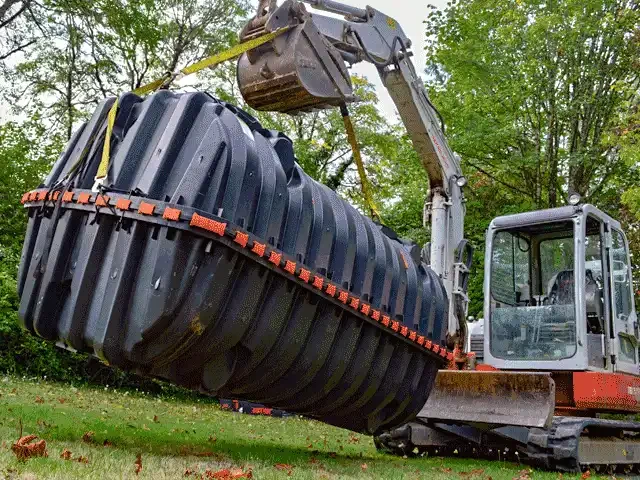
The septic tank
The dosing pump chamber and pump
The mound and replacement area
When to Use a Mound Septic System
If an inspection has determined your site cannot sufficiently support a traditional septic system, a mound septic system may be necessary. Below are the situations most appropriate for mound systems.
Depending on the type of materials used on your mound septic system, some can last up to 40 years. These systems have been known to deteriorate over time because of pests, the elements or the design. This is why it’s important to find an expert in mound systems. Speedy Septic is highly-experienced in mound systems, in fact, we’ve installed the most septic systems in all of Oregon compared to any other company! So contact Speedy Septic today for your new septic system installation.
Shallow soil depth: if the soil cover over bedrock is limited, wastewater isn’t able to flow through soil and sand efficiently, affecting its purity levels.
High water table: like the soil depth, if the water table in relation to the soil is low, wastewater will not sufficiently be purified.
Soil permeability: if the soil is high in permeability the wastewater will seep through too rapidly and won’t properly treat it before it reaches the water table. If the soil is impermeable, the wastewater won’t seep quickly enough leading to surface pooling.
Talk to a technician
Live people answer the phone, day and night. No surcharge for emergency calls.
Mound System
Common questions
How Do Mound Septic Systems Work?
Wastewater flows from the septic tank into the dosing pump chamber.Timers or “On” and “Off” floats that control the pump turn it on and wastewater is evenly distributed into the perforated pipes.Wastewater travels through the pipes and trickles down through the sand and soil for treatment. Drainage around the mound is important for the system to properly function.
What Are the Advantages of a Mound System?
Suitable in specific soil conditions.Wastewater is evenly distributed into drainfield.The wastewater is required to travel further before reaching groundwater.They provide dosing and resting.They allow you to know the level of wastewater treated in the sand fill before it is disposed of.
What Are the Disadvantages of a Mound System?
They cost more than traditional septic systems.They require a relatively large amount of space.They can be difficult to install and maintain.Trees or shrubs cannot be planted on top of the mound. Grass and flowers are okay, but limited mowing and traffic are recommended.
Related
Related services
Speak with a septic expert
Septic trouble does not wait. Neither do we.
Call any time. A live person answers 24/7, and emergency calls cost the same as daytime ones.
Request a call back