
Home / Septic Services / Grease Trap Pumping / Does Your Business Need a Grease Trap?
Does Your Business Need a Grease Trap?
In the Portland area, if your business deals with fats, oils, and grease, the answer is likely yes. Check out the full list of business types here.
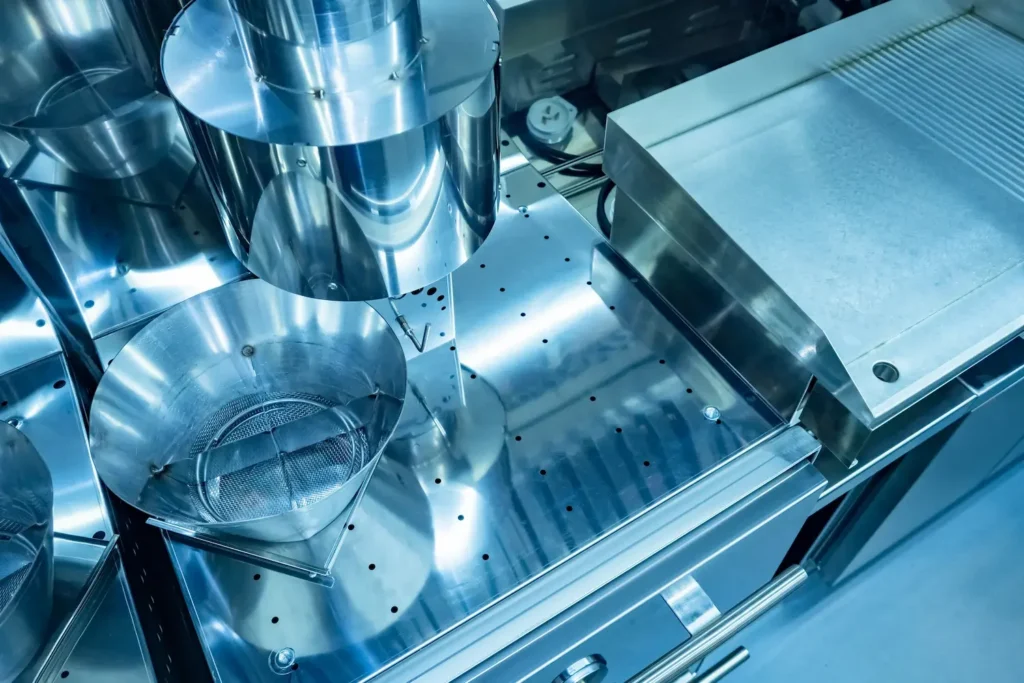
What Kinds of Businesses in Oregon and Washington Need Grease Traps?
In short, if the establishment prepares, serves, or processes food, it will almost certainly be required to have one.
Restaurants, cafés, diners, and fast-food establishments
Bakeries, donut shops, and pastry shops
Delicatessens (Delis)
Bars, pubs, and taverns that serve food
Pizza parlors and ice cream parlors
Catering companies and commercial/commissary kitchens
Food trucks (often required at their service/commissary location)
Grocery stores (especially those with a deli, bakery, meat/seafood counter, or prepared foods)
Convenience stores that prepare or cook food
Institutional kitchens (e.g., in hospitals, nursing homes, schools, universities, and daycare centers)
Workplace cafeterias (in office buildings, factories, etc.)
Hotels and motels with on-site restaurants, bars, or room service
Food processing plants and industrial food manufacturers
Butcher shops and fish markets
Why Are Grease Traps Required?
Grease traps are necessary at food establishments to help preserve community plumbing infrastructure. If food service establishments poured all of their fats, oils, and grease (FOG) down the drain, there would be constant blockages and backups. Having a grease trap is not only legally required for many businesses, but routine grease trap pumping and maintenance are also required.
Grease Trap Laws in Portland, Oregon
Local regulations are very clear. If you are a food service establishment, you must use and maintain a grease trap to prevent FOG from entering the sewer system. Failure to do so will result in fines. This is laid out in Portland’s public code Chapter 17.36, where it describes “high-strength wastewater" as any sewage that is significantly "dirtier" or "thicker" than normal household sewage (specifically, it has too many solids or uses up too much oxygen as it breaks down. If you are caught releasing high-strength wastewater into the sewer system, you will be fined.
Grease Trap Laws in Vancouver, Washington
Vancouver’s plumbing regulations are created by the LOTT Clean Water Alliance. In addition to requiring grease traps or grease interceptors at food service establishments, they also mandate that businesses must maintain them regularly. For grease interceptors, this means every 14, 30, or 90 days, depending on the size of the business.
Talk to a technician
Live people answer the phone, day and night. No surcharge for emergency calls.
Does My Business Need a Grease Trap or Grease Interceptor?
Are grease traps and grease interceptors the same thing? Not exactly. “Grease trap” and “grease interceptor” are often used interchangeably, and while they serve similar functions, stopping FOG from entering the local sewer system, there are some key differences. Most of the differences between grease traps and grease interceptors boil down to their size. Grease traps are smaller, point-of-use units. Grease interceptors are much larger, high-capacity tanks meant for higher flow rates.
Grease Trap
Size: Small
Location: Typically indoors, often under a 3-compartment sink
Flow Rate: Generally under 50 gallons per minute
Maintenance: Must be cleaned weekly or monthly by staff.
Grease Interceptor
Size: Very large, often 500 to 5,000+ gallons
Location: Usually installed outdoors and underground, connected to the main sewer line
Flow Rate: Over 50 gallons per minute
Maintenance: Cleaned less frequently (e.g., quarterly) but requires a professional service
Call for Grease Trap and Grease Interceptor Services in
Don't let Portland and Vancouver's strict FOG regulations disrupt your business with fines and backups. Whether you have a small grease trap or a large interceptor, is your expert partner. We’ll handle the dirty work, keeping you compliant and operational, so you can stay focused on your business. For total peace of mind in the Portland-Vancouver metro, call today.
Talk to a technician
Not sure what you need? Describe it on the phone and we will tell you straight.
Related
Related services
Speak with a septic expert
Septic trouble does not wait. Neither do we.
Call any time. A live person answers 24/7, and emergency calls cost the same as daytime ones.
Request a call back