
Home / Septic Services / Grease Trap Pumping
Grease Trap Pumping in the Portland Area
Need your grease trap pumped? Speedy Septic offers fast and reliable %%title%% in Portland OR, local experts for 40+ years!
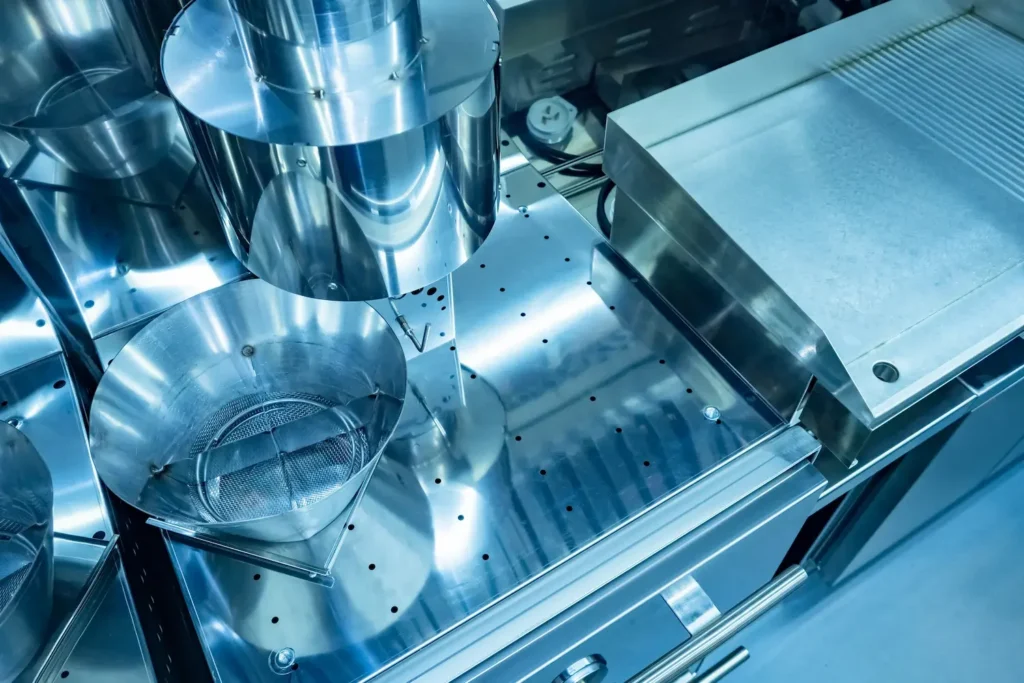
Commercial Grease Trap Cleaning Services
To give you long-lasting results that you can rely on, our grease pumping services include:
Full pumping service
Pressure washing grease trap walls
Recycling of restaurant oils
Drain cleaning and hydro-jetting the lines
Video camera inspection for quality assurance
Grease trap replacement & repairs as necessary
Types of Commercial Grease Traps
Grease traps are designed to “trap” and separate grease from wastewater before it enters the sewer system. Restaurants, fast-food chains, school cafeterias, and other food establishments use them. Grease traps need regular pumping and cleaning. This keeps them from getting too full and prevents thick buildup.
Here’s a quick overview of the three main types of grease traps and how they work:
Hydromechanical grease traps: Use gravity and heat to separate the grease and oil from wastewater
Gravity-operated grease interceptors: Have multiple compartments to slow the water for FOG separation
Automatic grease removal units (AGUs): Use mechanical and electrical components to skim and remove nearly 100% of all FOG
Talk to a technician
Live people answer the phone, day and night. No surcharge for emergency calls.
Grease Trap Pumping
Signs Your Grease Trap Needs to Be Pumped
If you don’t pump your grease traps often, grease can flow into waste streams. This may create unpleasant smells and serious health issues in your restaurant. These problems will hurt your business and reputation. They could also result in big fines and even bigger repair bills.
Drains are moving slow or gurgling
You are experiencing frequent clogs or backups
There are foul odors in your restaurant or parking lot
Grease makes up 25% or more of the liquid in your trap
It’s been longer than 3 months since your last service
Grease Trap FAQs
FOG is capable of causing serious damage to your plumbing system, even in small amounts. Letting FOG down your drain is risky. These substances can clump up when they cool, coat your pipes, and create blockages in your drainage or septic system.
Lowering your standards for FOG disposal, even for a short time, sets a poor example for your employees. Daily grease management can be challenging for your staff, and they may be tempted to let more and more go down the drain over time. Following best practices can help you avoid major plumbing problems in your restaurant.
The purpose of a commercial grease trap is to separate wastewater from FOG. They function by slowing down the flow of hot, greasy water so that it can cool down enough for the FOG to congeal and float to the top. Once fully separated, the grease trap will hold onto the FOG and let the water go down the drain.
Most commercial grease traps should be cleaned once every one to three months. Restaurants with high volume or small grease traps might need cleaning more often.
Need help with your maintenance routine? Reach out to our experts.
If your grease trap gets too full, the FOG won’t have anywhere to go. Greasy sludge and oil may begin to spill into other compartments of your trap, which may lead to costly damage or clogged lines. Over time, this can affect your plumbing system. It might lead to backups, which can create serious health and operational issues for your restaurant.
An overstuffed grease trap is tough to clean and takes more time. It might also lead to costly damage to your plumbing system. If you expose customers to health hazards, you could also face hefty fines.
While it’s technically possible to clean a grease trap on your own, we strongly recommend investing in professional services. Cleaning a grease trap can be difficult and dirty. It’s also risky without the right gear or experience. A qualified professional will make the pumping process significantly faster and easier than performing the job on your own.
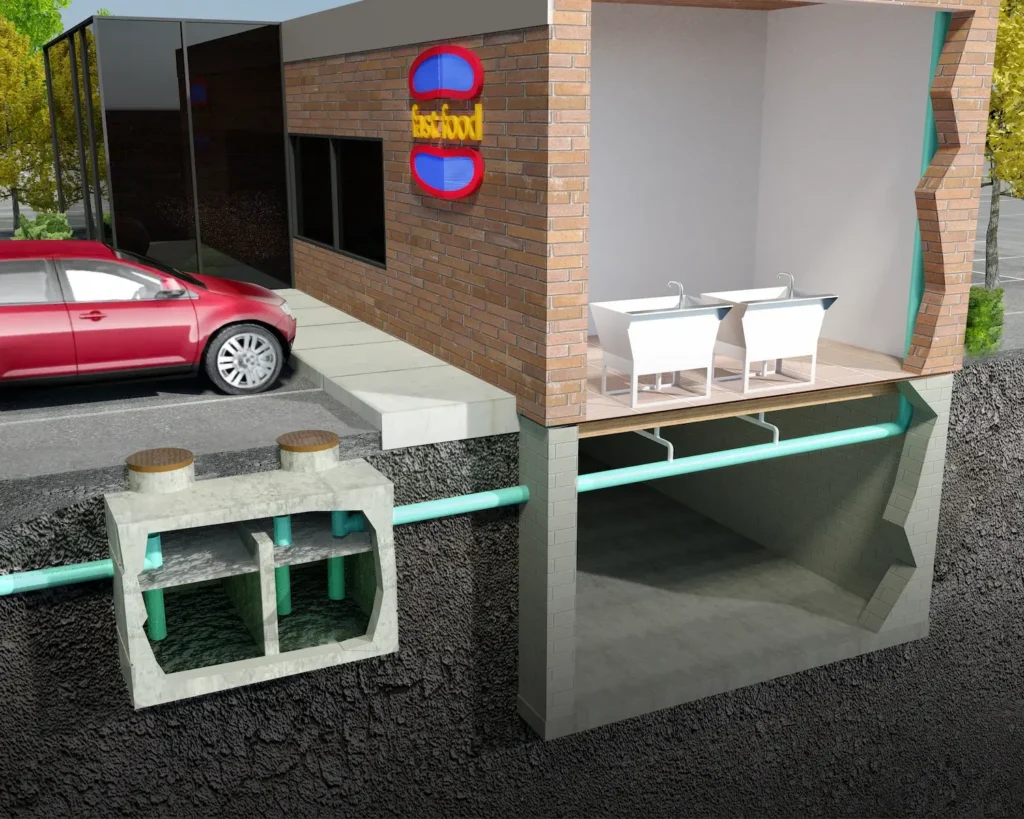
Grease traps are installed indoors and handle smaller amounts of grease. They're smaller and sit under sinks or near dishwashers. Grease traps are compact, usually holding between 10 to 30 gallons, and works great for smaller operations.
Grease interceptors are installed outdoors and can handle much larger volumes. They're larger and are installed underground outside your building. Grease interceptors can hold anywhere from 250 to several thousand gallons and are built for heavy-duty operations that produce lots of grease daily.
Most businesses that are involved in food service or production need a grease trap. In Portland OR and Vancouver WA, the area where provides service, regulations surrounding grease traps are strict.
For more information, check out our full article >> Does My Business Need a Grease Trap?
The most common types of grease traps are hydromechanical traps, automatic grease removal units (AGRUs), and gravity traps.
The Pros at Can Help
Keep your restaurant operating like a well-oiled machine with quality grease trap cleaning services from . We’ll pump your system, clean it, and inspect it to ensure it is always functioning optimally. Our highly trained technicians also offer 24/7 emergency services to make sure you always have support when you need it. If you want to prevent a grease trap disaster in your business, don’t hesitate to give us a call!
Talk to a technician
Not sure what you need? Describe it on the phone and we will tell you straight.
Speak with a septic expert
Septic trouble does not wait. Neither do we.
Call any time. A live person answers 24/7, and emergency calls cost the same as daytime ones.
Request a call back