
Home / Septic Pumping
Septic Pumping
Speedy Septic offers septic tank pumping and cleaning in Portland and nearby Oregon areas, with expert service, routine maintenance, and emergency support.
The short version
What to know
01
Speedy Septic provides septic pumping service in Eagle Creek.
02
Septic pumping removes built-up sludge and scum to restore tank capacity.
03
Signs like slow drains and foul odors usually mean the tank needs attention.
04
Regular septic tank pumping lowers the risk of emergency backups.
Professional Septic Pumping Services
Speedy Septic is proud to offer residential and commercial septic pumping services in the Tri-Cities, Portland, and Hermiston areas. We service a variety of septic types, including:
Gravity systems
Pressure distribution systems
Mound systems
Sand filter systems
Talk to a technician
Live people answer the phone, day and night. No surcharge for emergency calls.
Septic Pumping
Signs Your Septic Tank Needs Pumping
If you've noticed any of these warning signs, your septic tank is likely indicating that it's at capacity and due for pumping:
Pooling water by the drainfield or tank: Wastewater has nowhere to go when the tank is full, so you may notice it overflowing from the tank.
Lush grass above the septic tank: Wastewater provides extra moisture and nutrients in the soil that cause patches of grass to grow quickly.
Foul odors: Sewage smells often mean gases or wastewater aren't contained within the system, whether due to overflow, leaks, or other problems.
Slow drains: If your sinks, tubs, and toilets drain poorly, the problem may come from the septic tank instead of a single pipe clog.
Gurgling sounds: Restricted wastewater flow can trap air and cause gurgling sounds from pipes and drains.
Alert system: Many new septic tanks provide alerts when your septic system is full.
Common Problems Caused by a Full Septic Tank
As solids take up more tank space, the system loses its ability to separate waste correctly. That can force solids into downstream components that are meant to handle liquid only, potentially resulting in several common problems and permanent damage to your septic system. Common problems caused by full septic tanks include:
Sewage backing up into drains
Wastewater surfacing in the yard
Foul smells spreading around the home
Unsanitary conditions
Emergency failures and cleanup work
Higher repair demands from extra strain and wear on the system
Septic System Pumping Checklist
Check your symptoms to determine if you need to schedule routine maintenance or require immediate service.
Septic Pumping Warning Signs
Septic Tank Service Priority Guide
Use this quick guide to understand whether your septic system is due for routine pumping, needs attention, or may require immediate service.
Green Tier
Routine Maintenance
Your system is within its normal operational timeframe but is due for standard care.
Schedule Routine Pumping
Yellow Tier
It has been 3 to 5 years since your last pumping
You want to prolong the life of your septic system
You want to prevent major issues before they start
Attention Required
Early signs that your tank is filling up or experiencing sluggish performance.
Call for an Inspection
Red Tier
Pipes are making distinct gurgling sounds
Sinks, showers, or tubs are draining slowly
Foul odors are noticeable around your property
Emergency Status
Critical indicators of a completely full septic tank or system backup.
Call Speedy Septic Immediately
Sewage backing up directly into household drains
Pooling water or pooling liquid over the drain field
Bright green, spongy grass growing over the system area
Benefits of Regular Septic Pumping
Regular septic pumping removes accumulated solids before they interfere with normal wastewater separation, keeping the tank working within its intended capacity and reducing strain on the rest of the system. Consider these benefits of regular septic pumping for your home:
Prevents system backups and failures
Safeguards water sources and prevents groundwater contamination
Extends your septic system's lifespan
Protects your property value
Avoids emergency services and costly repairs
Keeps total operating costs down
What Happens During a Septic Pumping Service
At Speedy Septic, our septic pumping services are thorough and efficient. We start by inspecting your tank and drainfield for leaks and assessing scum and sludge layers. After accessing the tank and checking waste levels, we pump out the sludge, scum, and liquid waste. If we discover issues with the drainfield, distribution box, or other components, we communicate our findings and aim to provide a same-day solution or organize a follow-up repair.
A standard residential appointment in Wasco County takes one to two hours, depending on tank size, lid access, waste volume, and any additional work needed.
We also provide a complimentary septic tank power-washer cleaning. This extra step keeps your system in good working order and maximizes its potential lifespan. We also offer a more thorough septic scrubbing that gets your system as clean as possible and operating efficiently.
How Often Should You Pump Your Septic Tank?
Pumping frequency depends on how fast solids collect in the tank. Many homes need service every three to five years, but that range varies based on household use and system design. The Oregon Department of Environmental Quality recommends pumping when sludge and scum take up more than 40% of the tank volume.
Consider the factors affecting pumping frequency:
Tank size: A smaller tank reaches capacity faster because it has less space to separate wastewater and store solids.
Number of people in household: More people means more wastewater, so the pumping schedule may be shorter.
Type of septic system: Systems with pumps, filters, or pressure distribution may need closer monitoring because added components can react differently to waste levels.
System age: Older tanks and system parts may have more residue, wear, or reduced efficiency.
Factors That Influence Septic Pumping Costs
The cost of septic pumping depends on access, system setup, and the condition of the tank. A routine appointment on an easy-to-reach tank usually takes less labor and costs less than a call involving buried lids, heavy buildup, or urgent dispatch. Factors that influence septic service costs include:
Tank size
Location and accessibility
Sludge levels
Tank condition
Same-Day & Emergency Septic Pumping
When your system stops draining, sewage can back up into your home or create wastewater puddles outside. Beyond the mess, exposed sewage carries harmful bacteria that can put people and pets at risk.
When you need urgent or same-day septic pumping because toilets are backing up or the yard smells like sewage, our team provides fast response with emergency septic pumping service. Fast service limits the spread of wastewater, reduces cleanup, and gets the system back into usable condition.
Why Choose Speedy Septic
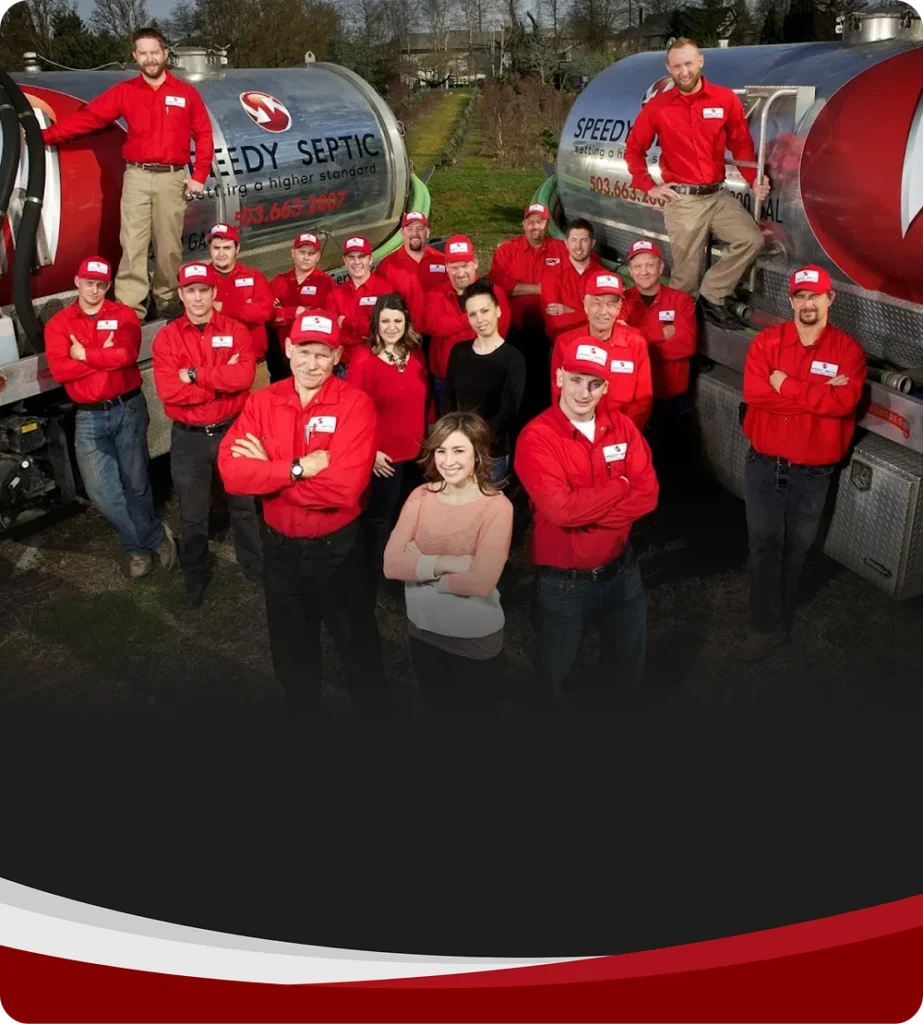
When you choose Speedy Septic, you get a crew that knows how to work efficiently and with precision. We've served residential and commercial customers across Oregon and Washington for more than 40 years, and we bring our local experience to every septic pumping service, inspection, and maintenance visit. Our team also takes a greener approach by sending pumped waste for safe recycling and agricultural reuse.
Fast and responsive service: Speedy septic service pumping is right in our name. We strive to assist people with emergencies when needed and always provide prompt and responsive service.
Comprehensive evaluation: Our technicians perform a full assessment, going through our extensive checklist to ensure your system is in tip-top shape.
Quality you can trust: With Speedy, you’ll always get a transparent estimate to see and approve, and you only pay for what we pump. Many of our trucks are equipped with technology to determine the precise extraction amount.
Service Areas
We proudly provide septic pumping near you throughout Eagle Creek, The Dalles, and surrounding communities in Oregon, including:
Eagle Creek & Clackamas County
The Dalles & Columbia Gorge Area
Eagle Creek (97022)
Estacada (97023)
Oregon City (97045)
Sandy (97055)
Damascus (97089)
Gresham (97030, 97080)
The Dalles (97058)
Hood River (97031)
Mosier (97040)
Dufur (97021)
Maupin (97037)
Frequently Asked Questions
Schedule Septic Pumping Today
Septic pumping is an inevitable part of having a septic system. If drains slow down, odors develop, or you notice other warning signs, it's time to arrange for your next service. Contact us today at Speed Septic to schedule your septic cleaning services.
Septic Tank Pumping FAQs
Septic tank pumping is a necessary part of owning a property with a septic tank. It clears out the waste. Septic tank cleaning is an additional part of routine maintenance that removes gunk from the bottom and services the system components.
The frequency you need septic pumping depends on several factors:
If you’re unsure when your septic system was last serviced, you can check with your county’s public health center.
For more information, check out the full-length article we wrote on the topic >> How Often Do I Need to Pump My Septic Tank?
Septic pumping companies typically haul the waste to their nearest treatment facility. At Speedy Septic, our technicians take the waste to a treatment facility in Eastern Oregon, where the material is eventually returned to the earth as fertilizer.
If your tank hasn't been serviced in years and you notice slow drains, odors, or a high-water alarm, pumping is often the first step. If those issues don't resolve with pumping, the system may need repair work.
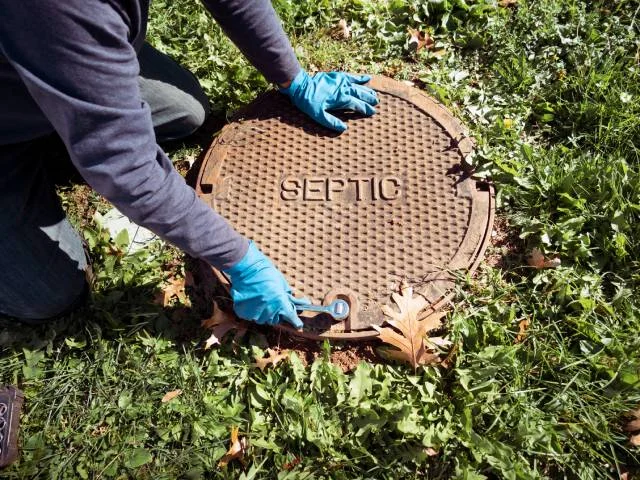
Septic tank pumping should have limited impact on your yard when the tank is accessible. We use vacuum equipment to remove waste and work around lids, driveways, and landscaping with care.
Rocky, sloped soil in Oregon can cause wastewater to move and filter in abnormally. In addition to the normal signs of a full septic tank, look for wastewater surfacing downhill from the tank and drainfield.
Keep roof runoff, sump discharge, and other surface water away from the drainfield to prevent waterlogging the soil. As regular care, spread out laundry loads, practice proper flushing, and stay on a regular septic tank pumping schedule.
The capacity of your septic tank or holding tank
Flow of wastewater
The volume of solids in wastewater (if a garbage disposal is used, more frequent pumping is required)
Number of people in your household
Solids ratio, In Oregon, DEQ recommends pumping your septic tank or holding tank when sludge and scum take up over 35% of the tank volume
Talk to a technician
Not sure what you need? Describe it on the phone and we will tell you straight.
Speak with a septic expert
Septic trouble does not wait. Neither do we.
Call any time. A live person answers 24/7, and emergency calls cost the same as daytime ones.
Request a call back